
The Starter Home Is Back. But What Should a Starter Home Actually Look Like in 2027?
For generations, the starter home was the first rung on the American homeownership ladder. It was modest. It was affordable. It wasn’t necessarily the house you planned to live in forever, but it gave a young family, first-time buyer, or newly married couple a place to call home and a foothold in the housing market.
Today, that first rung has become much harder to reach.
Home prices have risen significantly, mortgage rates remain elevated compared with the ultra-low-rate years of the past, and the cost of land, labor, materials and regulation has made it increasingly difficult to build homes at price points first-time buyers can afford. This requires everyone to rethink what we meant all those years ago when “starter home” was coined.
A Starter Home Doesn’t Have to Be a Small Version of a Luxury Home
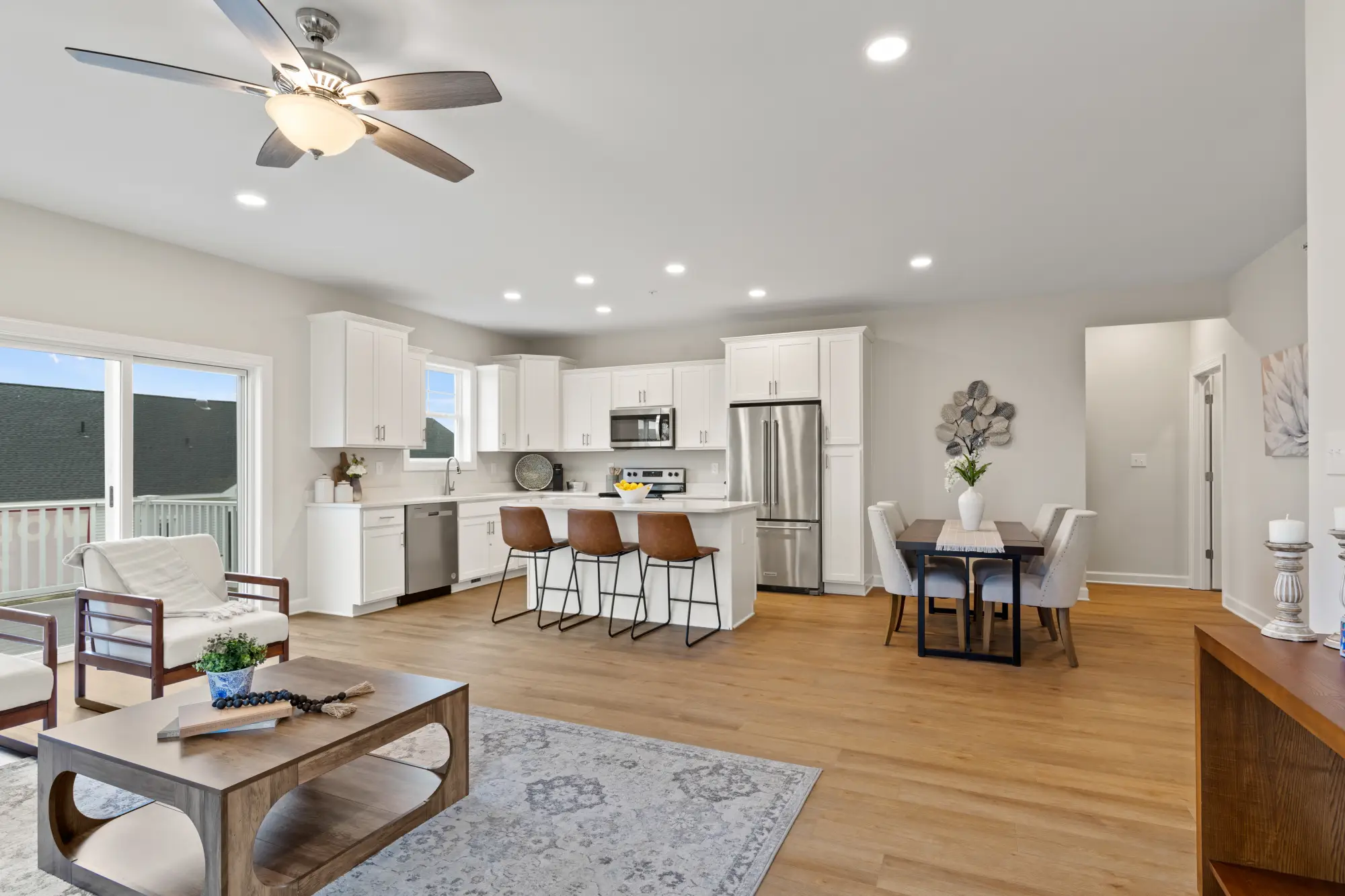
For years, new construction has trended toward larger homes with more bedrooms, bigger kitchens, larger garages, and increasingly extensive amenities. The starter home of the future may not be 2,500 square feet. And that’s not necessarily a bad thing. A thoughtfully designed 1,400- to 1,800-square-foot home can provide everything a first-time homeowner needs, like an efficient floor plan, functional storage, and quality finishes – all while reducing construction and maintenance costs.
Instead of paying for square footage that may rarely be used, buyers should prioritize:
- An open, functional kitchen
- Two or three bedrooms
- A dedicated laundry area
- Flexible space for working from home
- Ample storage
- Outdoor living space
- Energy efficiency
- A garage or practical off-street parking
- Quality construction that will hold its value
Location Matters Just as Much as Square Footage
Affordability isn’t simply about the price of the house. It’s about the total cost of living. A slightly smaller home in a community close to employment, schools, shopping, parks and transportation may ultimately be more affordable than a larger home farther away. A $50,000 difference in purchase price can look very different when a homeowner is also spending more on commuting, fuel, maintenance and other transportation costs. Thoughtful planning can create neighborhoods where buyers get more than four walls and a roof. They get access to amenities, green space, connectivity, and a sense of community.
The Starter Home Doesn’t Have to Be a Forever Home
One of the most important characteristics of a starter home is that it gives buyers a path forward. A first home doesn’t have to accommodate every stage of life – it just needs to work for the buyer today while providing an opportunity to build equity for tomorrow. That’s what made the traditional starter home so important. A buyer purchased a modest home, lived in it for several years, built equity and eventually moved into a larger home as their family or financial circumstances changed.
That progression created a housing ladder. Today, that ladder has become harder to climb because the first rung is increasingly expensive. Reintroducing thoughtfully designed entry-level homes could help restore that progression.
Building the Next Generation of Homeownership
The housing market doesn’t need to recreate the past – it needs to learn from it. The starter home was never supposed to be the biggest house on the block. It was supposed to be an attainable entry point into homeownership. But making it work today requires builders, developers, communities and policymakers to think differently about how homes are designed, where they are built and what buyers truly need.
The challenge before the housing industry isn’t simply to build more homes. It’s to build more homes that people can afford.